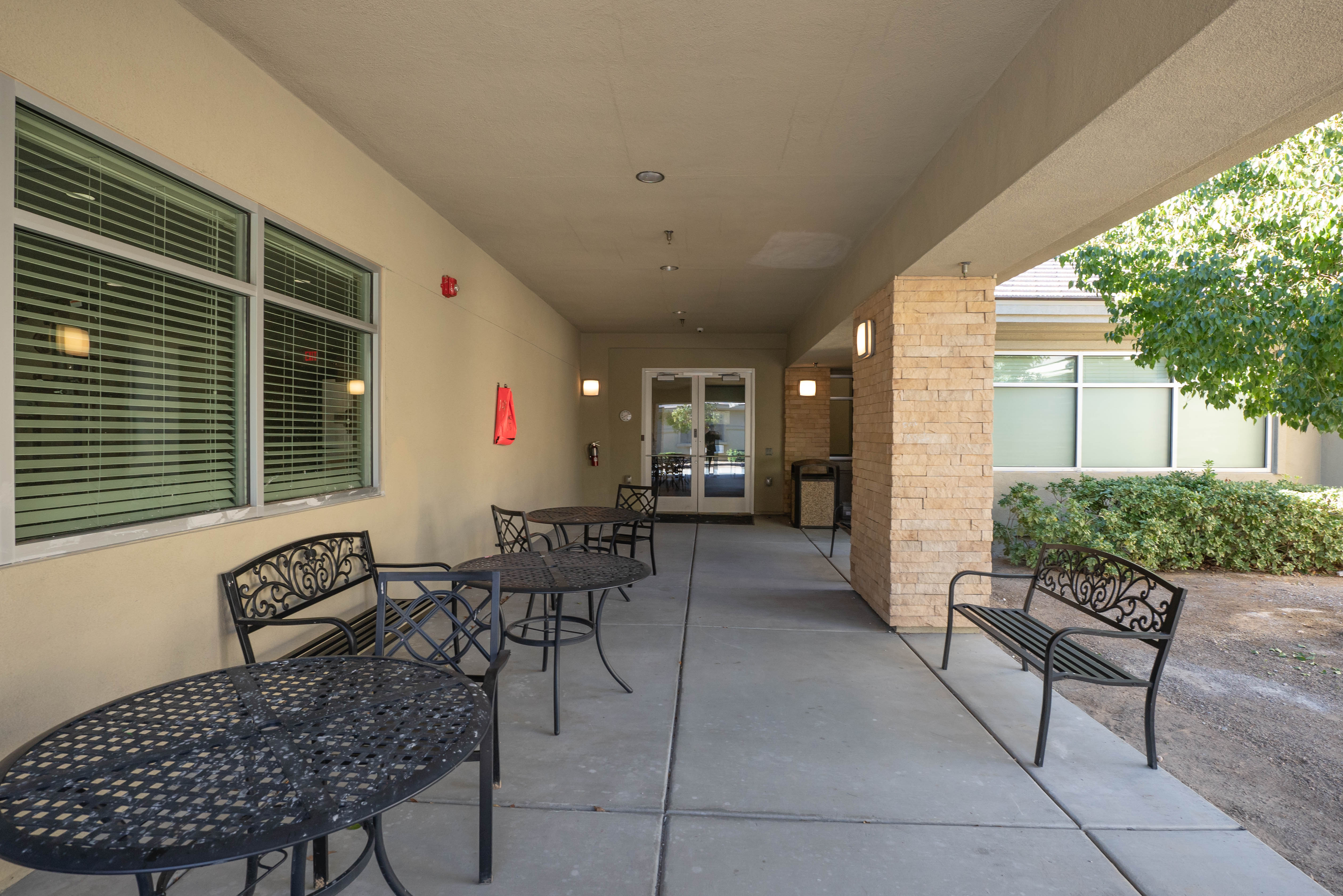
Adolescent Conduct Disorder Treatment at Silver State
Understanding Conduct Disorder in Adolescents
Conduct disorder is a serious behavioral condition affecting approximately 2–10% of adolescents according to the American Psychological Association (APA), involving a repetitive pattern of behavior that violates the rights of others or major age-appropriate social norms. Silver State provides specialized treatment for teens ages 11–17 with conduct disorder, including aggression, destruction of property, deceitfulness, or serious rule violations. Without intervention, conduct disorder can lead to lasting legal, academic, and social consequences.
Conduct disorder often represents an escalation from oppositional defiant disorder (ODD). When oppositional behavior becomes so severe that law enforcement gets involved — stealing, property destruction, assault, or other acts that bring teens into contact with the juvenile justice system — the diagnosis frequently shifts from ODD to conduct disorder. Many of the teens we treat have had involvement with probation, court-mandated treatment, or the juvenile justice system, and Silver State has successfully helped teens navigate court proceedings during their treatment stay.
Conduct disorder is more common in boys than girls, though girls may present with different behavioral patterns such as relational aggression and rule violations rather than physical aggression. Many teens with conduct disorder have experienced adverse childhood experiences, trauma, or unstable home environments that contribute to their behavioral patterns.
Research shows that early, structured intervention during adolescence significantly improves long-term outcomes. Without treatment, conduct disorder increases the risk of antisocial personality disorder, substance abuse, incarceration, and chronic relationship difficulties in adulthood. The adolescent brain is still developing, making this a critical window for teaching alternative behavioral patterns.
At our Las Vegas treatment center, Silver State provides structured, therapeutic treatment that goes beyond punishment. Our clinicians address the underlying emotional and environmental factors driving the behavior while teaching prosocial skills, empathy development, and emotional regulation. For teens involved with the juvenile justice system, we coordinate with courts and probation officers, providing documentation of treatment progress that has helped teens receive reduced charges or alternative sentencing.

Signs of Conduct Disorder in Teens
- Aggression toward people or animals, including bullying or intimidation
- Deliberate destruction of property
- Lying, theft, or other forms of deceitfulness
- Serious violations of rules, including running away or truancy
- Lack of empathy or remorse for the impact of their behavior
- Poor academic performance and frequent school discipline issues
- Cruelty or callousness toward peers or animals
- Intimidation or threatening behavior toward others
- Substance use alongside behavioral problems
Evidence-Based Treatment Approaches

How Silver State Treats Conduct Disorder
Silver State treats conduct disorder through a structured therapeutic environment that provides clear expectations and consistent, compassionate responses. Within our residential program, we combine individual therapy with group skill-building focused on empathy, anger management, and problem-solving. Our 4:1 staff ratio ensures close supervision and mentorship while modeling the healthy adult relationships many of these teens have not experienced.
For teens involved with the juvenile justice system, Silver State provides a therapeutic alternative to detention. We coordinate with courts, probation officers, and attorneys to support court-mandated treatment requirements, and our clinical team provides progress documentation that has helped teens receive favorable outcomes in their legal proceedings. Treatment in a structured residential setting addresses the root causes of behavior rather than simply punishing it.
Family therapy addresses family dynamics that may reinforce problem behavior and teaches parents effective strategies for setting boundaries and reinforcing prosocial choices. As your teen demonstrates progress, our discharge planning prepares them to practice new skills independently while connecting them with outpatient support and accountability.
Ready to Get Help for Your Teen?
Our admissions team is available 24/7 to answer your questions and help you take the first step.
Frequently Asked Questions
Continue Exploring
Treatment Programs for Conduct Disorder
Related Conditions We Treat
Clinically reviewed by Dr. Russ Park, DNP, RN, NEA-BC, PHMN-BC on 2026-02-01.
Sources
The information provided on this page is for educational purposes only and does not constitute medical advice. Treatment outcomes vary by individual. Silver State Adolescent Treatment Center recommends consulting with a qualified healthcare professional for personalized treatment recommendations.