Adolescent School Refusal Treatment at Silver State
Understanding School Refusal in Adolescents
School refusal is an anxiety-driven inability to attend school that affects approximately 2–5% of school-age children and peaks during adolescence according to the American Academy of Child and Adolescent Psychiatry (AACAP). Silver State helps teens ages 11–17 overcome this condition that disrupts academic progress, social development, and family life — and is far more than simple truancy.
Teens with school refusal may experience intense fear, physical symptoms like nausea or headaches, panic attacks, or complete emotional shutdown at the thought of going to school. Morning routines become battlegrounds, and parents often feel helpless as their teen's world shrinks. The longer a teen avoids school, the harder it becomes to return, creating a cycle of avoidance that reinforces the underlying anxiety.
School refusal has significant consequences beyond missed classes. Prolonged absence leads to academic gaps, social isolation, loss of friendships, family conflict, and increased risk of developing chronic anxiety or depression. Research shows that early, structured intervention that combines clinical therapy with gradual school re-engagement produces the best outcomes.
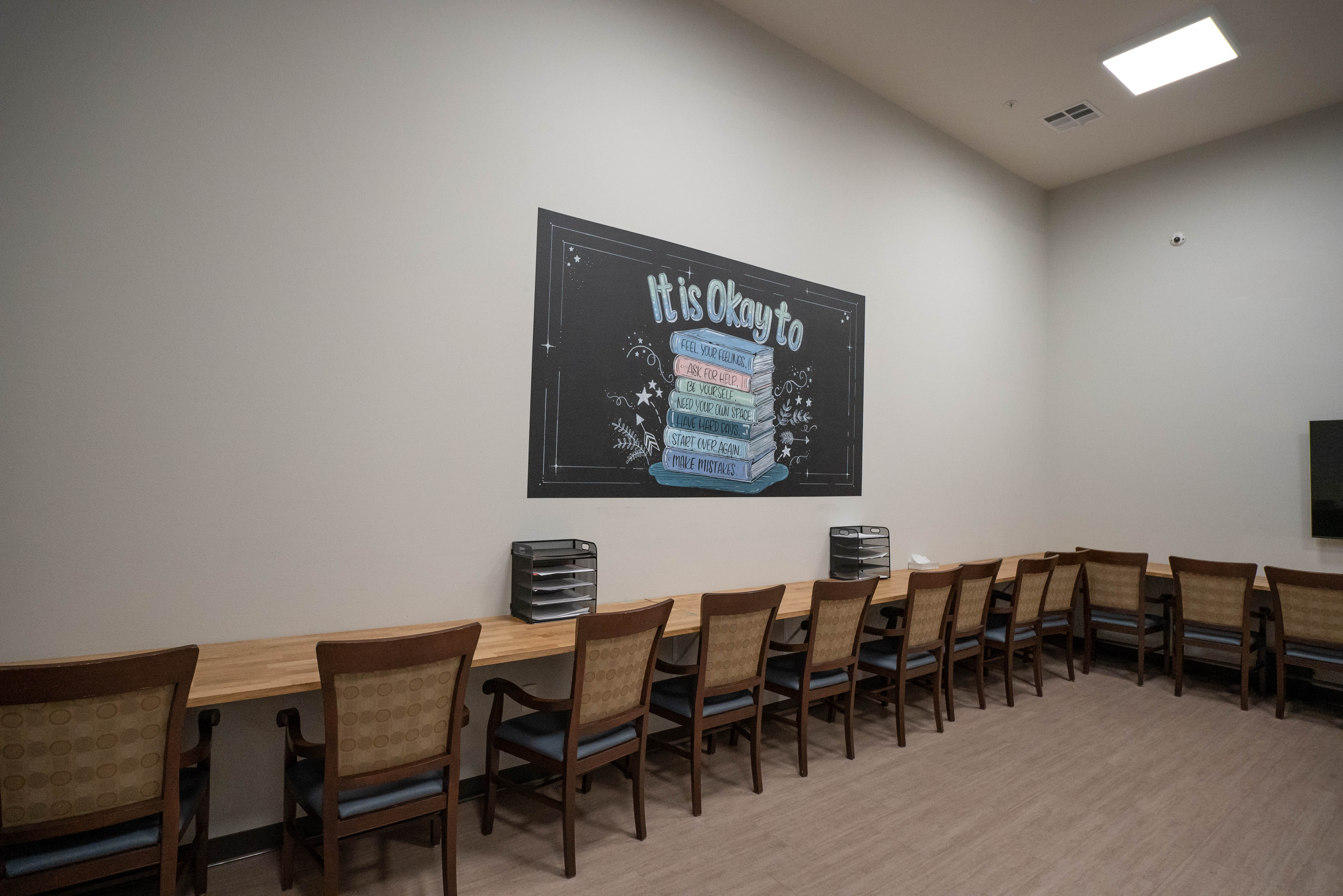
At our Las Vegas treatment center, Silver State combines clinical therapy with on-site academics through our Youth Academy, allowing teens to re-engage with school in a structured, supportive environment while addressing the underlying anxiety, depression, or social difficulties driving the avoidance.

Signs of School Refusal in Teens
- Frequent absences or tardiness with emotional distress about attending school
- Physical complaints (stomachaches, headaches, nausea) that appear on school mornings
- Severe anxiety, crying, or tantrums when it is time to leave for school
- Staying home with parents knowledge but refusing to attend classes
- Social withdrawal and increasing isolation from peers
- Declining academic performance despite adequate ability
- Sleep disturbances or difficulty waking for school
- Panic attacks related to school attendance or school-related situations
- Increasing dependence on parents and resistance to separation
Evidence-Based Treatment Approaches

How Silver State Treats School Refusal
Silver State treats school refusal through a gradual, therapeutic re-engagement process. Our residential program provides daily structure including on-site academics, so your teen can practice attending classes in a safe environment. Individual CBT helps identify and challenge the thoughts driving avoidance, while exposure therapy systematically builds tolerance for school-related situations.
Family therapy addresses family dynamics that may inadvertently maintain the refusal pattern — including accommodating avoidance, allowing excessive reassurance-seeking, or engaging in morning conflicts that reinforce anxiety. Our 4:1 staff ratio ensures personalized support throughout the process. As your teen builds confidence in our therapeutic classroom setting, we coordinate a structured transition plan with their home school to ensure a smooth return.
Ready to Get Help for Your Teen?
Our admissions team is available 24/7 to answer your questions and help you take the first step.
Frequently Asked Questions
Continue Exploring
Treatment Programs for School Refusal
Related Conditions We Treat
Clinically reviewed by Dr. Russ Park, DNP, RN, NEA-BC, PHMN-BC on 2026-02-01.
Sources
The information provided on this page is for educational purposes only and does not constitute medical advice. Treatment outcomes vary by individual. Silver State Adolescent Treatment Center recommends consulting with a qualified healthcare professional for personalized treatment recommendations.