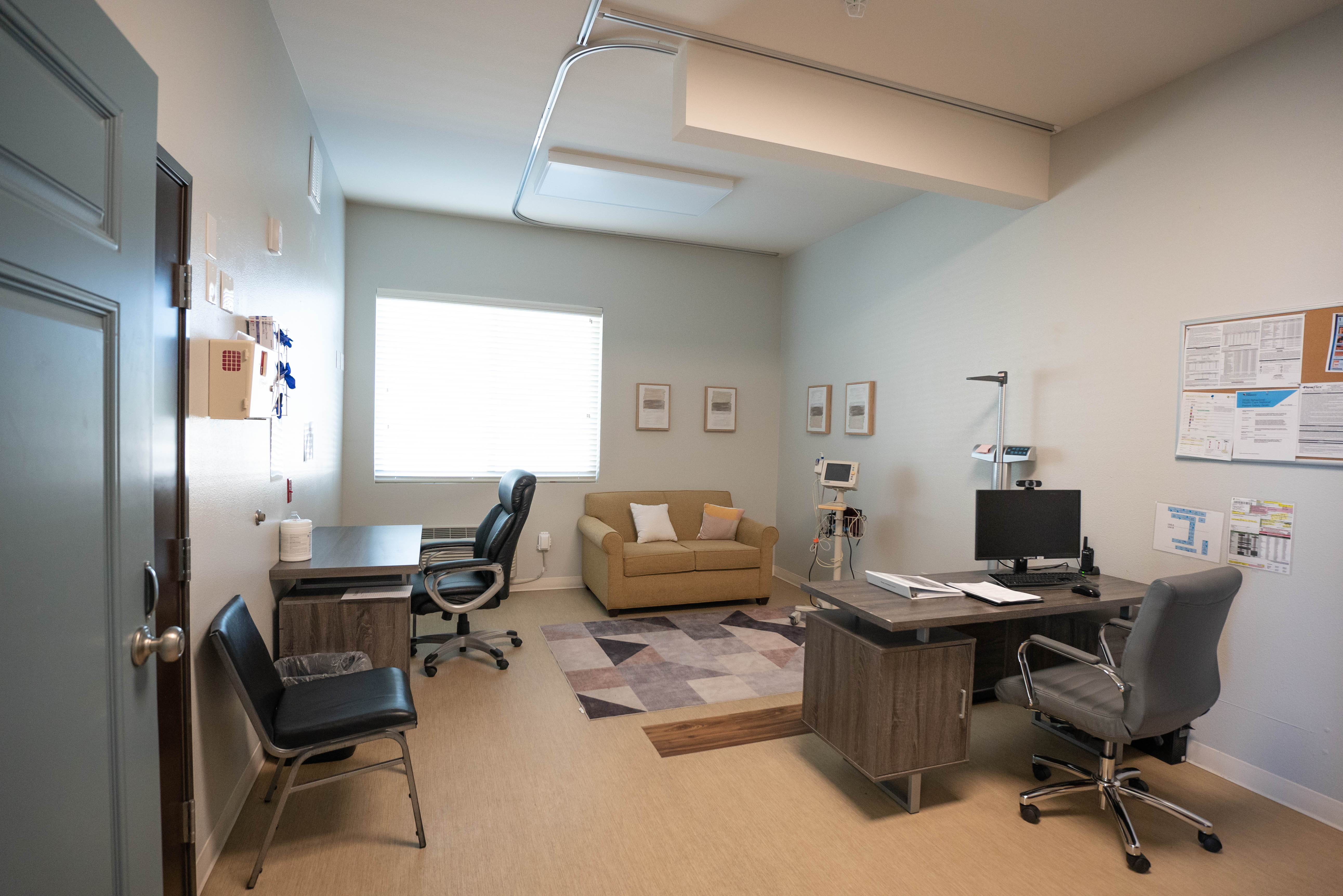
Adolescent OSFED Treatment at Silver State
Understanding OSFED in Adolescents
Other specified feeding or eating disorder (OSFED) is the most commonly diagnosed eating disorder category, accounting for a significant proportion of all eating disorder diagnoses in adolescents according to the National Eating Disorders Association (NEDA), and is just as serious as anorexia, bulimia, or binge eating disorder. Silver State provides individualized care for teens ages 11–17 whose eating disorder symptoms cause significant distress but do not fully meet the diagnostic criteria for other specific eating disorders.
OSFED encompasses several presentations including atypical anorexia, purging disorder, subthreshold bulimia, and night eating syndrome. Examples include atypical anorexia (significant restriction and fear of weight gain without being underweight), purging disorder (purging without binge eating), subthreshold bulimia or BED, and night eating syndrome.
Many teens with OSFED feel that their condition is not "severe enough" to warrant treatment — a dangerous misconception that delays intervention and allows the disorder to progress. OSFED carries the same risks for serious physical and psychological consequences as other eating disorders, including electrolyte imbalances, nutritional deficiencies, depression, anxiety, and social isolation.
At our Las Vegas treatment center, Silver State treats OSFED with the same evidence-based rigor we apply to all eating disorders. Our clinical team develops an individualized treatment plan based on your teen's specific symptoms, recognizing that every eating disorder presentation is unique and deserves comprehensive care.

Signs of OSFED in Teens
- Restrictive eating patterns that cause distress but may not meet full anorexia criteria
- Purging behaviors without regular binge episodes
- Binge eating less frequently than required for a BED diagnosis
- Night eating syndrome — eating the majority of food after dinner
- Significant preoccupation with food, weight, or body shape
- Physical or emotional consequences of disordered eating patterns
- Rigid food rules that cause anxiety when broken
- Compensatory exercise after eating
- Body checking behaviors such as frequent weighing or mirror checking
Evidence-Based Treatment Approaches

How Silver State Treats OSFED
Silver State addresses OSFED symptoms when they are secondary to a teen's broader mental health presentation and clinically appropriate for our setting. Teens whose primary need is a specialty eating disorder program may be referred to a dedicated provider first.
Our clinical team identifies the core disordered eating patterns and applies the most appropriate evidence-based interventions within our residential program. Your teen receives individualized therapy, structured meal support, and nutritional rehabilitation, while our 4:1 staff ratio provides the personalized care that OSFED's varied presentations require. Family therapy helps parents recognize warning signs of escalation, and our treatment approach addresses co-occurring conditions like anxiety and depression simultaneously as your teen builds independence in maintaining recovery.
Ready to Get Help for Your Teen?
Our admissions team is available 24/7 to answer your questions and help you take the first step.
Frequently Asked Questions
Continue Exploring
Treatment Programs for OSFED
Clinically reviewed by Dr. Russ Park, DNP, RN, NEA-BC, PHMN-BC on 2026-02-01.
Sources
The information provided on this page is for educational purposes only and does not constitute medical advice. Treatment outcomes vary by individual. Silver State Adolescent Treatment Center recommends consulting with a qualified healthcare professional for personalized treatment recommendations.